The growth of augmented reality (AR) tech has been moving at a pretty rapid pace lately. With the rise of custom AR glasses from factories, we're really starting to see a whole new wave in consumer gadgets. I read somewhere—Grand View Research, I think?—that the global AR market is expected to hit around $198 billion by 2025. That’s a huge number, and honestly, it shows just how much people are craving personalized AR experiences.
Big players like GlassesAR and VisionTech are actually setting the trends, focusing a lot on creating unique designs and features that put users first. Honestly, that customer-centric approach is key if they want to stay ahead in this finicky market. Of course, the tech itself is pretty mind-blowing, but it’s not all smooth sailing. A lot of users still find AR a little overwhelming or confusing at times. So, the folks at Custom AR Glass Factory really need to work on making things more user-friendly.
People want AR products that reflect their personalities, which is driving a lot of innovation. But trying to make everything customizable also brings about logistical headaches — balancing one-of-a-kind designs with the realities of mass production is no simple task. This industry definitely has some hurdles to overcome, and learning from those challenges will be essential for future success in the custom AR glasses game.

Emerging Technologies Driving AR Glass Innovations in 2026
Emerging technologies are reshaping the landscape of
Custom Ar Glass Factory
innovations in 2026. Voice recognition features will soon become standard. They allow users to interact hands-free, significantly enhancing the overall user experience.
Additionally, advancements in lightweight materials are essential. Factories are now integrating new composites that reduce weight without sacrificing durability. This change makes AR glasses more comfortable for everyday wear. Users want styles that blend seamlessly into their lives.
Tip: Evaluate comfort. A good fit is crucial for extended use.
Moreover, improved battery life remains a challenge. While some progress exists, manufacturers must prioritize energy efficiency. Enhanced power cells can lead to longer usage times. Users are looking for AR glasses that last throughout the day.
Tip: Prioritize battery longevity. Few things are more frustrating than constant recharging.
These developments highlight the ongoing evolution in the Custom AR Glass Factory sector. As technologies emerge, both consumers and manufacturers must adapt and reflect on their needs.
Key Customization Features in 2026 Top AR Glasses: A Market Overview
The AR glasses market in 2026 is gearing up for exciting changes. Customization features are becoming vital for users. They now demand unique options that match their lifestyles. Many manufacturers are focusing on ergonomic designs. Comfort is key, as prolonged use is common. Styles are diversifying, allowing personal expression.
One major trend is the use of Transparent AF anti fingerprint coated glass. This feature enhances durability and clarity. Users want glasses that look good and stay clean. Emerging technologies enable better performance and efficiency. Yet, there are still challenges. Battery life continues to be a concern. Users often desire lightweight options but demand powerful capabilities.
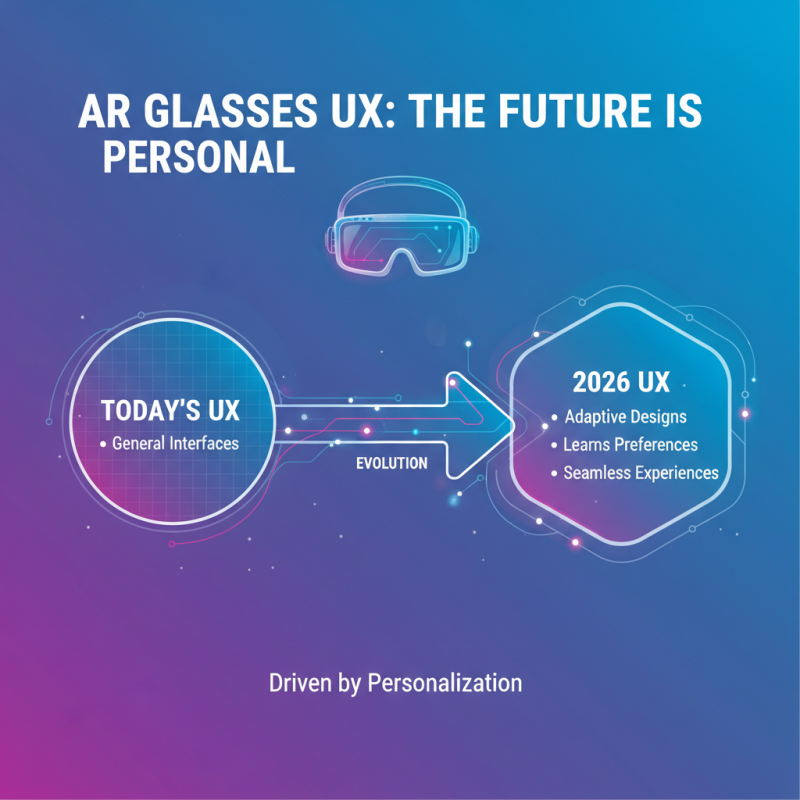
Moreover, customization is not just about aesthetics. It also includes smart features that adapt to different environments. Users expect their AR glasses to learn from their habits. This means continuous updates and improvements. It’s essential for manufacturers to listen closely to feedback. Sometimes, they might miss the mark. Addressing user concerns is crucial for success. A balance between innovation and usability is always needed.
Impact of Artificial Intelligence on AR Glass Customization in 2026
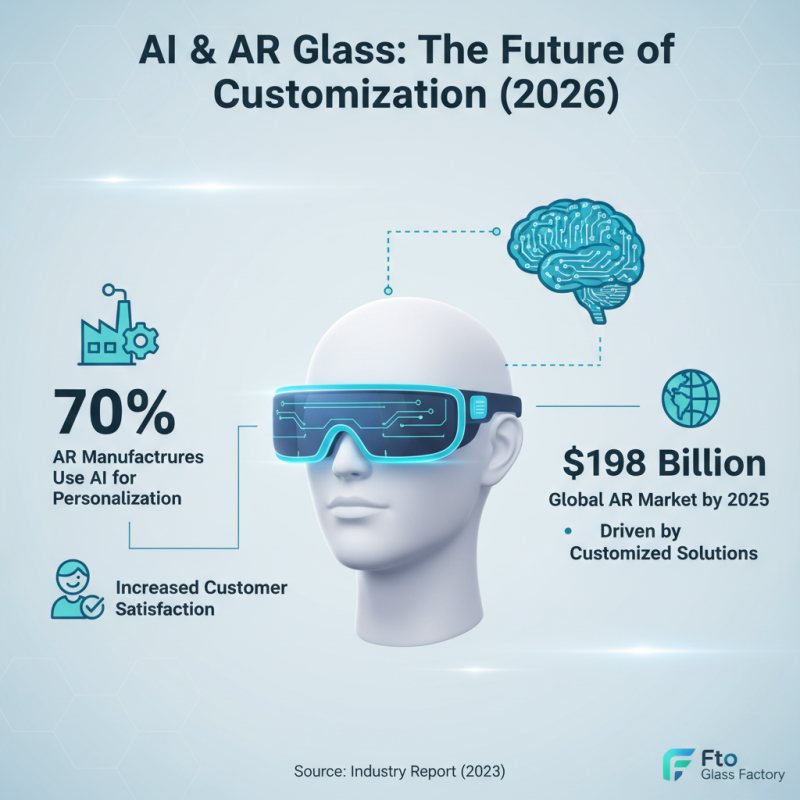
The emergence of artificial intelligence is reshaping the landscape of AR glass customization as we approach 2026. According to a recent industry report, over 70% of AR manufacturers are harnessing AI to enhance personalization. This technology allows Fto Glass Factory to design tailored experiences for users, increasing customer satisfaction significantly. Data indicates that the global AR market could reach $198 billion by 2025, driven largely by customized solutions.
AI algorithms analyze consumer behavior patterns. They then provide insights that inform design choices. This automation helps manufacturers reduce production time by 30%. However, these advances come with challenges. The reliance on AI raises concerns about data privacy and user trust. Additionally, not every consumer is comfortable with highly personalized products. This trend reflects a need for a balanced approach to customization.
The shift towards AI in AR customization also poses questions about quality versus speed. While efficiency is crucial, ensuring product quality should remain a priority for companies like Fto Glass Factory. Continuous feedback loops from users can help refine both the technology and the user experience. As we move forward, finding the right balance will be essential for success in this evolving market.
Sales Projections for Custom AR Glasses: Insights for 2026
The market for custom augmented reality (AR) glasses is set to grow significantly by 2026. Research suggests a potential market size reaching $30 billion by that year. This growth is driven by industries such as healthcare, education, and retail, where custom AR solutions enhance user experience. The integration of advanced technologies like AI and machine learning is pivotal. These technologies improve interaction and functionality, making custom AR glasses more appealing.
Consumer interest is rising, but challenges remain. Many users worry about comfort and style. According to a recent report, 48% of potential buyers seek lightweight and fashionable designs. Therefore, manufacturers need to prioritize these attributes. Tips for businesses: focus on user feedback and test designs thoroughly. Iterating on prototypes is essential.
Sales projections for AR glasses must account for evolving consumer preferences. Engaging content and apps are critical for driving sales. Statistics show that 65% of users prefer glasses with versatile functions. Yet, confusion over features might deter buyers. Companies should clearly communicate benefits. Also, investing in marketing strategies that highlight real-world applications can make a big difference.
Sustainability Initiatives in AR Glass Manufacturing: 2026 Trends
Sustainability is reshaping the AR glass manufacturing landscape. As 2026 approaches, the industry is embracing eco-friendly materials and processes. Recent reports indicate that over 70% of manufacturers are investing in recycled content for their products. This shift not only reduces waste but also appeals to a growing eco-conscious customer base.
One notable trend is the integration of energy-efficient technologies in production lines. Manufacturers are now using renewable energy sources. This transition is expected to lower carbon footprints significantly. Companies are aiming for a 30% reduction in emissions by 2026. However, implementing sustainable practices can be challenging. Many manufacturers struggle with high initial costs and technological limitations.
**Tip:** Start small with sustainability initiatives. Focus on one aspect, like reducing energy use or switching to biodegradable packaging. It’s a step forward.
Consumer education is also crucial. Many potential buyers remain unaware of sustainable AR glasses. Industry experts suggest improving transparency in marketing. Share stories about eco-friendly efforts. It not only builds trust but also drives sales. Over 50% of consumers say they choose brands that prioritize sustainability.
**Tip:** Engage customers on social media about your sustainable practices. Genuine communication can enhance brand loyalty and awareness.
The Role of 5G Connectivity in Enhancing AR Glass Functionality by 2026
5G connectivity is set to revolutionize the AR glass industry by 2026. The increased speed and reduced latency of 5G networks will enhance user experiences significantly. Data from industry reports indicate that 5G can provide up to 100 times faster speeds than 4G. This leap will allow AR devices to run more complex applications seamlessly. Real-time data processing will enable features like holographic displays and interactive environments.
Moreover, researchers predict that 5G will enable smart city applications through AR glasses. Users could navigate cityscapes with instant updates, turning complex data into actionable insights. However, this transformation presents challenges. Not all places have 5G infrastructure yet. Moreover, security and privacy risks increase with enhanced connectivity. The Ito Glass Factory is actively exploring these innovations while recognizing potential pitfalls.
As manufacturers push boundaries, ergonomics and battery life must not be overlooked. Consumers desire lightweight designs and long-lasting power. Reports show that user comfort remains a top priority in AR developments. Balancing advanced features with practical user needs is essential. If manufacturers fail to address these aspects, the adoption of new AR technologies could stagnate.
Innovative Touch Panel Solutions: Enhancing Household Electronics with Custom Silk Screen Printing on Tempered Glass
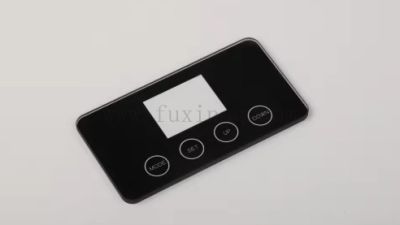
Innovative touch panel solutions are transforming household electronics, and custom silk screen printing on tempered glass is at the forefront of this evolution. This high-quality tempered glass touch panel not only provides exceptional durability and scratch resistance, but its thoughtful design enhances both the functionality and aesthetic appeal of various home devices. By integrating precision shaping techniques, these panels ensure a perfect fit for a wide range of electronic appliances, making them an ideal choice for modern households.
The silk screen printing process plays a crucial role in this innovation, offering clear and vibrant markings and logos that are built to last. These custom designs help to personalize household electronics, allowing consumers to tailor their devices to reflect their unique style and preferences. With a variety of customization options available, individuals can create touch panels that meet their specific design requirements while maintaining the integrity and performance of the electronics they enhance. This combination of form and function makes silk screen printed tempered glass touch panels an essential component of contemporary home technology.
Conclusion
The article titled "2026 Top Custom AR Glass Factory Innovations and Trends" explores the cutting-edge advancements in the AR glass industry, focusing on a variety of emerging technologies set to shape the landscape in 2026. Key customization features are highlighted, providing a comprehensive overview of market expectations. User experience design trends are discussed, emphasizing intuitive interfaces and personalization options that cater to diverse consumer needs.
Additionally, the impact of artificial intelligence on AR glass customization is examined, showcasing how AI will enhance personalization. Sales projections indicate a robust growth trajectory for custom AR glasses, while sustainability initiatives gain traction within manufacturing processes. The role of 5G connectivity is also pivotal, enhancing the functionality and overall experience of AR glasses, making the innovations from custom AR glass factories more impactful in 2026.